
Anxiety Treatment in
Durham, NC
Meeting You Where You Are

Meeting You Where You Are
What to Know About Anxiety and Its Impact
Nearly everyone feels anxious from time to time, but anxiety can become more than just an occasional feeling. It involves excessive worry, fear, and often physical symptoms such as rapid heartbeat, trembling, or dizziness. While anxiety is a normal human response to stressful situations, chronic or intense anxiety disorders can disrupt daily life, relationships, and emotional well-being.
The most common anxiety disorders include generalized anxiety disorder, social anxiety disorder, and panic disorder. Without proper treatment, symptoms may worsen, leading to other mental health problems such as depression, OCD, or PTSD .
Seeking professional anxiety treatment in Durham, NC, can help individuals manage symptoms, strengthen emotional regulation, and rebuild confidence in daily life. Through therapy, medication management, and holistic care, Apogee Behavioral Medicine offers a safe and supportive environment where patients can begin healing. Addressing anxiety early can make a significant difference, early intervention helps prevent symptoms from worsening, lowers the risk of co-occurring conditions like depression, and fosters long-term emotional resilience. Taking that first step toward treatment empowers individuals to regain control, develop healthier habits, and restore balance to their lives.
Anxiety Treatment Options at Apogee Behavioral Medicine in Durham
At Apogee Behavioral Medicine, we specialize in evidence-based treatment for anxiety disorders and related mood disorders. Our team in Durham, NC, includes licensed psychiatrists, experienced therapists, and trained clinicians who offer both behavioral therapy and medication management tailored to each person.
Our services include:
- Cognitive-behavioral therapy (CBT): This type of therapy explores the persistent thought patterns and behaviors that preoccupy those suffering from anxiety disorders and gives individuals new strategies to challenge these thoughts.
- Medical Intervention: Medical interventions may be used to control the physical symptoms of anxiety including selective serotonin reuptake inhibitors (SSRIs) or benzodiazepines.
We are committed to providing compassionate care that helps patients reduce fear, manage stress, and live fuller, more balanced lives. Each treatment plan is personalized to meet the unique needs of every individual, just as every diagnosis differs, so does the path to healing. Our goal is to help patients not only reduce fear but also strengthen emotional regulation, improve coping skills, and enhance overall daily functioning.
Cognitive Behavioral Therapy (CBT) and Exposure Therapy
Cognitive Behavioral Therapy (CBT) is one of the most effective treatments for anxiety disorders. It helps individuals identify and reframe negative thought patterns that contribute to excessive worry and fear, while also replacing unhelpful behaviors with healthier responses. Through these techniques, patients can improve their mood, strengthen coping skills, and navigate everyday challenges such as unexpected setbacks, work pressures, or family stress with greater resilience and balance.
Exposure therapy and response prevention techniques gradually help individuals confront anxiety triggers in a controlled, therapeutic setting. These approaches are often combined for OCD treatment, panic disorder, and PTSD, helping patients build confidence and reduce avoidance behaviors. Exposure and Response Prevention (ERP) has shown high effectiveness in treating anxiety and related disorders. In fact, a meta-analysis of 100 trials found an overall remission rate of 51% for Cognitive Behavioral Therapy (CBT). When combined with other evidence-based therapies and, if needed, medication management, ERP can significantly improve long-term outcomes for those struggling with anxiety disorders
Medication Management for Severe Anxiety
For some patients, therapy alone may not be enough. Our licensed providers in Durham, NC, offer safe and effective medication management to alleviate physical symptoms such as chest tightness, rapid heartbeat, and restlessness.
Our medication management services encompass medication selection, modification, administration, and ongoing monitoring to optimize treatment outcomes. Ongoing evaluations help track progress, adjust dosages, and ensure optimal outcomes when combining medication with therapy.
Integrated Care for Co-Occurring Conditions
When a person experiences two or more mental health illnesses at the same time, those illnesses are considered “comorbid.” In mental health one of the more common comorbidities is that of depression and anxiety. According to The National Alliance on Mental Health(NAMI), 60% of those with anxiety will also have symptoms of depression, and the numbers are similar for those with depression also experience anxiety.
At Apogee Behavioral Medicine, our Durham providers take a whole-person approach, integrating counseling, medication management, and specialized therapies like cognitive processing therapy for trauma recovery. By addressing every layer of a person’s mental and emotional health, we promote long-term healing and stability.
Symptoms of Anxiety
Anxiety can cause noticeable physical reactions ranging from chest discomfort and trembling to digestive issues and fatigue. These symptoms are often mistaken for medical problems, but effective anxiety treatment can alleviate them through relaxation skills, breathing exercises, and medication when necessary.
Emotional signs include excessive fear, constant worry, and feeling on edge. Cognitively, individuals may experience racing thoughts or difficulty focusing. At Apogee Behavioral Medicine, our providers help clients reframe thought patterns through cognitive behavioral therapy and teach coping skills for ongoing emotion regulation.
Identifying symptoms of anxiety early allows individuals to seek timely mental health services in Durham, NC, and begin appropriate treatment before symptoms escalate

How Anxiety Therapy Sessions Work at Apogee Behavioral Medicine
Each therapy session is personalized. Our therapists in Durham, NC, start with a thorough evaluation of symptoms, lifestyle factors, and goals. Sessions may include:
- Individual therapy using CBT or DBT
- Professional counseling for families or couples
- Progress reviews and adjustments to the treatment plan
- Techniques for handling stress and relationship problems
Therapy is for anyone who suffers from distress, impairment, or life interruption due to anxiety symptoms. Our approach blends research-backed strategies with compassionate, evidence-based care.
Telehealth Options for Anxiety Therapy
We also offer secure Telepsychiatry and virtual counseling sessions, giving clients across NC convenient access to licensed therapists. Online therapy includes evidence-based techniques such as CBT and mindfulness to help individuals manage stressful situations and anxiety from home.
Understanding the Different Types of Anxiety Disorders
Anxiety disorders, including generalized anxiety disorder, social anxiety disorder, and panic disorder, each have unique symptoms that require tailored treatment strategies. Comprehensive care often addresses co-occurring conditions such as depression or substance use. Evidence-based therapies like CBT, exposure therapy, and dialectical behavior therapy (DBT) are commonly used to support recovery. Apogee Behavioral Medicine provides personalized treatment plans which are key to improving long-term outcomes and overall mental wellness.
Generalized Anxiety Disorder (GAD)
Generalized Anxiety Disorder (GAD) is characterized by persistent worry about health, finances, or daily tasks. Common symptoms include restlessness, physical tension, and difficulty sleeping. Effective treatment often involves Cognitive Behavioral Therapy (CBT) to identify and reframe negative thought patterns, relaxation techniques to reduce physical symptoms, and medication management when necessary.
Social Anxiety Disorder
Social Anxiety Disorder involves an intense fear of being judged, embarrassed, or scrutinized in social situations, which can lead to avoidance of events, work interactions, or everyday social activities. Individuals may experience physical symptoms such as rapid heartbeat, sweating, trembling, or nausea when faced with social interactions. Treatment often includes exposure therapy and response prevention to gradually face feared situations in a controlled and supportive way, along with professional counseling to develop social skills, coping strategies, and confidence.
Panic Disorder
Panic Disorder is characterized by sudden and intense panic attacks, often accompanied by physical symptoms such as chest pain, trembling, shortness of breath, dizziness, or a sense of impending doom. These attacks can occur unexpectedly and may lead individuals to avoid places or situations where previous attacks have occurred. Effective treatment typically includes Cognitive Behavioral Therapy (CBT) to address thought patterns that trigger panic, exposure therapy to safely confront feared situations, and medication management to help reduce the frequency and severity of attacks.
Benefits of Anxiety Treatment at Apogee Behavioral Medicine
At Apogee Behavioral Medicine, anxiety treatment provides a safe and supportive environment where patients can explore their thoughts, emotions, and triggers without judgment. Our team uses evidence-based therapies, including Cognitive Behavioral Therapy (CBT), Dialectical Behavioral Therapy (DBT), and exposure therapy, to help reduce symptoms and improve daily functioning. Each patient receives a personalized treatment plan tailored to their specific needs, whether they are managing generalized anxiety, panic attacks, or obsessive-compulsive disorder (OCD).
In addition to symptom relief, our therapy services equip individuals with practical coping skills to manage stress, navigate challenging situations, and maintain long-term mental wellness. Ultimately, our goal is to help patients restore their quality of life, reduce suffering, and achieve emotional balance.
Insurance and Payment Options
Apogee Behavioral Medicine accepts most major insurance plans and offers transparent self-pay rates. We also accept credit cards, HSA, and FSA payments. Our team assists in verifying insurance coverage to simplify the treatment process.
Finding Effective Anxiety Therapy and Support in Durham, NC
If you’re seeking mental health treatment in Durham, NC, look for a provider offering both therapy and medication management. The most effective care includes cognitive behavioral therapy, dialectical behavioral therapy, and exposure therapy.
Apogee Behavioral Medicine integrates these approaches with compassionate, individualized care to help clients achieve lasting results.
Get Started with Anxiety Treatment at Apogee Behavioral Medicine in Durham, NC
Taking the first step toward recovery begins with scheduling an appointment. Our clinical team will assess your symptoms, identify potential disorders, and design a comprehensive treatment plan.
Visit our Durham, NC, location or learn more about our Anxiety Services to begin your path to healing today.
Find a Counselor/Therapist
Find an ABM provider near you and schedule an appointment today!

Sander Scott, LCSW, LCAS


Pediatric Therapy / Counseling,
Telehealth
Greensboro
445 Dolley Madison Road, Suite 100
Greensboro, NC, 27410

Sander Scott
- ADHD
- Anxiety/Phobias/Panic attacks
- Bipolar disorder
- Depression
- LGBTQ+
- Men’s issues
- Sleep disorders/Insomnia
- Women’s issues
- Substance Use
- Postpartum or Peripartum Issues
- Obsessions or compulsions
- PTSD or Trauma
- Stress management
- Focus and concentration
- Family

Megan Trawick, PA-C


Geriatric Medication Management,
Medication Management,
Pediatric Medication Management,
Psychiatry,
Psychiatry Services,
Telehealth
Greensboro
445 Dolley Madison Road, Suite 100
Greensboro, NC, 27410

Megan Trawick
- ADHD
- Anxiety/Phobias/Panic attacks
- Eating Concerns
- Family
- Men’s issues
- Depression
- Bipolar disorder
- PTSD or Trauma
- Sleep disorders/Insomnia
- Substance Use
- Women’s issues
- Couple’s issues
- Obsessions or compulsions
- Stress management
- Childhood behavioral issues
- Focus and concentration
- Postpartum or Peripartum Issues
- LGBTQIA+
- Chronic pain/Health Psychology

Byeolah Henson, PA-C
Geriatric Medication Management,
Medication Management,
Pediatric Medication Management,
Psychiatry,
Psychiatry Services,
Telehealth
Raleigh
7200 Creedmoor Road, Suite 200
Raleigh, NC, 27613

Byeolah Henson
- ADHD
- Anxiety/Phobias/Panicattacks
- Autism
- Bipolar disorder
- Childhood behavioral issues
- Chronic pain/Health Psychology
- Couple’s issues
- Depression
- Eating Concerns
- Family
- Focus and concentration
- LGBTQ+
- Men’s issues
- Obsessions or compulsions
- PTSD or Trauma
- Postpartum or Peripartum Issues
- Sleep disorders/Insomnia
- Stress management
- Substance Use
- Women’s issues

Daniela Marques, PA-C
Geriatric Medication Management,
Medication Management,
Pediatric Medication Management,
Psychiatry,
Psychiatry Services,
Telehealth
Durham
1000 Park Forty Plaza, Suite 125
Durham, NC, 27713

Daniela Marques
- ADHD
- Anxiety/Phobias/Panicattacks
- Chronic pain/Health Psychology
- LGBTQ+
- Men’sissues
- PTSD or Trauma
- Sleep disorders/Insomnia
- Substance Use
- Women’s issues
- Bipolar disorder
- Childhood behavioral issues
- Couple’s issues
- Depression
- Eating Concerns
- Family
- Focus and concentration
- Obsessions or compulsions
- Postpartum or Peripartum Issues
- Stress management

Derek Ayers, DO

Medication Management,
Psychiatry Services,
TMS
Hickory
401 4th Street SW, Suite 102
Hickory, NC, 28602
Derek Ayers
- ADHD
- Anxiety/Phobias/Panic attacks
- Bipolar disorder
- Depression
- Focus and concentration
- Men’sissues
- Obsessions or compulsions
- Postpartum or Peripartum Issues
- PTSD or Trauma
- Sleep disorders/Insomnia
- Stress management
- Substance Use
- Women’s issues</li>

Ami Silva, LCMHC
Telehealth
Hickory
401 4th Street SW, Suite 102
Hickory, NC, 28602

Ami Silva
- ADHD
- Anxiety/Phobias/Panic attacks
- Autism
- Bipolar disorder
- Depression
- Family
- Focus and concentration
- LGBTQ+
- Men’s issues
- Postpartum or Peripartum Issues
- Sleep disorders/Insomnia
- PTSD or Trauma
- Stress management
- Substance Use
- Women’s issues
- Obsessions or compulsions

Traci Whitworth, LCSW, LCAS
Telehealth
Winston Salem
370 Knollwood Street, Suite 301
Winston Salem, NC, 27103
Greensboro
445 Dolley Madison Road, Suite 100
Greensboro, NC, 27410
Traci Whitworth
- ADHD
- Anxiety/Phobias/Panicattacks
- Autism
- Bipolar disorder
- Childhood behavioral issues
- Chronic pain/Health Psychology
- Couple’s issues
- Depression
- Eating Concerns
- Family
- Focus and concentration
- LGBTQ+
- Men’s issues
- Obsessions or compulsions
- Postpartum or Peripartum Issues
- PTSD or Trauma
- Sleep disorders/Insomnia
- Stress management
- Substance Use
- Women’s issues

Megan Jones, PMHNP-BC
Geriatric Medication Management,
Medication Management,
Pediatric Medication Management,
Psychiatry,
Psychiatry Services,
Telehealth
Hickory
401 4th Street SW, Suite 102
Hickory, NC, 28602

Megan Jones
<ul>
- ADHD
- Anxiety/Phobias/Panicattacks
- Autism
- Bipolar disorder
- Childhood behavioral issues
- Chronic pain/Health Psychology
- Depression
- Couple’s issu
es
- Eating Concerns
- Focus and concentration
- Postpartum or Peripartum Issues
- Obsessions or compulsions
- PTSD or Trauma
- Men’s iss
ues
- LGBTQ+
- Sleep disorders/Insomnia
- Substance Use
- Women’s issues
- Stress management
- Family
Renee Heagney, LCMHC, NCC, BC-DMT
Pediatric Therapy / Counseling,
Telehealth
Winston Salem
370 Knollwood Street, Suite 301
Winston Salem, NC, 27103
Renee Heagney
- ADHD
- Anxiety/Phobias/Panicattacks
- Autism
- Bipolar disorder
- Childhood behavioral issues
- Chronic pain/Health Psychology
- Couple’s issues
- Depression
- Family
- Focus and concentration
- LGBTQ+
- Men’s issues
- Obsessions or compulsions
- Postpartum or Peripartum Issues
- PTSD or Trauma
- Sleep disorders/Insomnia
- Stress management
- Substance Use
- Women’s issues

Taylor Ellis, MSN, PMHNP-BC
Geriatric Medication Management,
Medication Management,
Pediatric Medication Management,
Psychiatry,
Psychiatry Services,
Telehealth
Greensboro
445 Dolley Madison Road, Suite 100
Greensboro, NC, 27410

Taylor Ellis
- ADHD
- Anxiety/Phobias/Panicattacks
- Autism
- Bipolar disorder
- Childhood behavioral issues
- Chronic pain/Health Psychology
- Couple’s issues
- Depression
- Eating Concerns
- Family
- Focus and concentration
- LGBTQ+
- Men’s issues
- Obsessions or compulsions
- Postpartum or Peripartum Issues
- PTSD or Trauma
- Sleep disorders/Insomnia
- Stress management
- Substance Use
- Women’s issues

Miranda Harris, MD
Pediatric Medication Management,
Pediatric Therapy / Counseling
Greensboro
445 Dolley Madison Road, Suite 100
Greensboro, NC, 27410
Hickory
401 4th Street SW, Suite 102
Hickory, NC, 28602
Miranda Harris
- ADHD
- Anxiety/Phobias/Panic attacks
- Autism
- Bipolar disorder
- Childhood behavioral issues
- Couple’s issues
- Depression
- Focus and concentration
- Family
- Women’s issues

Lane Thompson, PMHNP
Geriatric Medication Management,
Medication Management,
Pediatric Medication Management,
Psychiatry,
Psychiatry Services,
Telehealth
Hickory
401 4th Street SW, Suite 102
Hickory, NC, 28602

Lane Thompson
- ADHD
- Anxiety/Phobias/Panic attacks
- Autism
- Bipolar disorder
- Childhood behavioral issues
- Chronic pain/Health Psychology
- Couple’s issues
- Depression
- Eating Concerns
- Family
- Focus and concentration
- LGBTQ+
- Men’s issues
- Obsessions or compulsions
- Postpartum or Peripartum Issues
- PTSD or Trauma
- Sleep disorders/Insomnia
- Stress management
- Substance Use
- Women’s issues

Kendra Frazier Samuelson, PMHNP
Geriatric Medication Management,
Medication Management,
Pediatric Medication Management,
Psychiatry,
Psychiatry Services,
Telehealth
Asheville
2 Walden Ridge Drive, Suite 25
Asheville, NC, 28803

Kendra Frazier Samuelson
- ADHD
- Anxiety/Phobias/Panic attacks
- Childhood behavioral issues
- Sleep disorders/Insomnia
- Women’s issues
- Bipolar disorder
- Depression
- Focus and concentration
- LGBTQ+
- Obsessions or compulsions
- Postpartum or Peripartum Issues
- PTSD or Trauma
- Stress management
- Substance Use
- Family
- Couple’s issues

Morgan Stenger, PA-C
Geriatric Medication Management,
Medication Management,
Pediatric Medication Management,
Psychiatry,
Psychiatry Services,
Telehealth
Charlotte
6135 Park South Drive, Suite 105
Charlotte, NC, 28210

Morgan Stenger
- ADHD
- Anxiety/Phobias/Panic attacks
- Autism
- Bipolar disorder
- Childhood behavioral issues
- Chronic pain/Health Psychology
- Couple’s issues
- Depression
- Focus and concentration
- Men’s issues
- Obsessions or compulsions
- Postpartum or Peripartum Issues
- PTSD or Trauma
- Sleep disorders/Insomnia
- Stress management
- Substance Use
- Women’s issues
- LGBTQ+
Kiana Terry, LCSWA
Pediatric Therapy / Counseling,
Telehealth
Charlotte
6135 Park South Drive, Suite 105
Charlotte, NC, 28210
Kiana Terry
- ADHD
- Anxiety/Phobias/Panic attacks
- Bipolar disorder
- Childhood behavioral issues
- Family
- Couple’s issues
- LGBTQ+
- Men’s issues
- Depression
- Obsessions or compulsions
- PTSD or Trauma
- Stress management
- Substance Use
- Women’s issues
- Postpartum or Peripartum Issues
- Focus and concentration

Megan Cavanaugh, PA-C
Geriatric Medication Management,
Medication Management,
Pediatric Medication Management,
Psychiatry,
Psychiatry Services,
Telehealth
Winston Salem
370 Knollwood Street, Suite 301
Winston Salem, NC, 27103

Megan Cavanaugh
- ADHD
- Anxiety/Phobias/Panic attacks
- Autism
- Bipolar disorder
- Childhood behavioral issues
- Chronic pain/Health Psychology
- Couple’s issues
- Depression
- Eating Concerns
- Family
- Focus and concentration
- Men’s issues
- LGBTQ+
- Obsessions or compulsions
- PTSD or Trauma
- Women’s issues
- Substance Use
- Stress management
- Sleep disorders/Insomnia
- Postpartum or Peripartum Issues
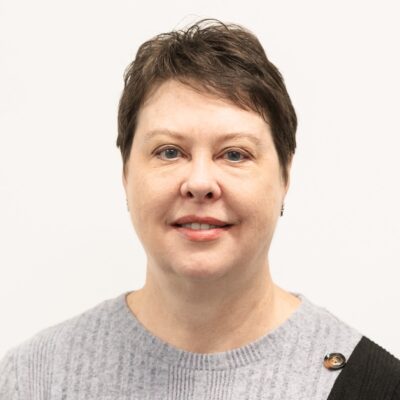
Jessica Edwards, MD
Geriatric Medication Management,
Medication Management,
Pediatric Medication Management,
Psychiatry,
Psychiatry Services,
Telehealth,
TMS
Greensboro
445 Dolley Madison Road, Suite 100
Greensboro, NC, 27410
Jessica Edwards
- ADHD
- Anxiety/Phobias/Panic attacks
- Bipolar disorder
- Chronic pain/Health Psychology
- Couple’s issues
- Depression
- Focus and concentration
- Men’s issues
- Obsessions or compulsions
- Postpartum or Peripartum Issues
- Sleep disorders/Insomnia
- PTSD or Trauma
- Substance Use
- Women’s issues
- Stress management
- LGBTQ+

Tryphene Dugger, LCMHC
Pediatric Therapy / Counseling,
Telehealth
Durham
1000 Park Forty Plaza, Suite 125
Durham, NC, 27713
Tryphene Dugger
- ADHD
- Anxiety/Phobias/Panic attacks
- Childhood behavioral issues
- Bipolar disorder
- Couple’s issues
- Depression
- Family
- Focus and concentration
- LGBTQ+
- Obsessions or compulsions
- Postpartum or Peripartum Issues
- PTSD or Trauma
- Stress management
- Women’s issues

Robyn Widelo, PMHNP
Geriatric Medication Management,
Medication Management,
Pediatric Medication Management,
Psychiatry,
Psychiatry Services,
Telehealth
Mount Airy
280 North Pointe Boulevard, Suite 3
Mount Airy, NC, 27030

Robyn Widelo
- ADHD
- Anxiety/Phobias/Panic attacks
- Bipolar disorder
- Chronic pain/Health Psychology
- Couple’s issues
- Childhood behavioral issues
- Depression
- Eating Concerns
- Family
- Focus and concentration
- Men’s issues
- LGBTQ+
- Obsessions or compulsions
- Postpartum or Peripartum Issues
- PTSD or Trauma
- Sleep disorders/Insomnia
- Stress management
- Substance Use
- Women’s issues

Rayana Swanson, LCMHC, NCC
Pediatric Therapy / Counseling,
Telehealth
Greensboro
445 Dolley Madison Road, Suite 100
Greensboro, NC, 27410
Rayana Swanson
- ADHD
- Anxiety/Phobias/Panic attacks</li>
- Autism
- Bipolar disorder
- Childhood behavioral issues
- Couple’s issues
- Depression
- Family
- Focus and concentration
- LGBTQ+ Support
- Obsessions or compulsions
- Postpartum or Peripartum Issues
- PTSD or Trauma
- Stress management

Jennifer Carner, DNP
Geriatric Medication Management,
Pediatric Medication Management,
Psychiatry,
Psychiatry Services,
Telehealth
Hickory
401 4th Street SW, Suite 102
Hickory, NC, 28602

Jennifer Carner
- ADHD
- Anxiety/Phobias/Panic attacks
- Autism
- Bipolar disorder
- Childhood behavioral issues
- Chronic pain/Health Psychology
- Family
- Focus and concentration
- Depression
- LGBTQ+
- Obsessions or compulsions
- Eating Concerns
- PTSD or Trauma
- Sleep disorders/Insomnia
- Stress management
- Postpartum or Peripartum Issues
- Substance Use
- Women’s issues

Barbara Goodman, PMHNP
Geriatric Medication Management,
Medication Management,
Pediatric Medication Management,
Psychiatry,
Psychiatry Services,
Telehealth
Greensboro
445 Dolley Madison Road, Suite 100
Greensboro, NC, 27410

Barbara Goodman
- ADHD
- Anxiety/Phobias/Panic attacks
- Autism
- Bipolar disorder
- Childhood behavioral issues
- Chronic pain/Health Psychology
- Couple’s issues
- Depression
- Family
- Focus and concentration
- LGBTQ+
- Men’s issues
- Obsessions or compulsions
- Postpartum or Peripartum Issues
- PTSD or Trauma
- Sleep disorders/Insomnia
- Stress management
- Substance Use
- Women’s issues

Cristian Skinner, DO, PhD, ABPN
Geriatric Medication Management,
Medication Management,
Pediatric Medication Management,
Psychiatry,
Psychiatry Services
Raleigh
7200 Creedmoor Road, Suite 200
Raleigh, NC, 27613

Cristian Skinner
- ADHD
- Anxiety/Phobias/Panic attacks
- Autism
- Bipolar disorder
- Depression
- LGBTQ+
- Men’s issues
- Obsessions or compulsions
- Postpartum or Peripartum Issues
- PTSD or Trauma
- Sleep disorders/Insomnia
- Stress management
- Substance Use
- Women’s issues
- Childhood behavioral issues
- Chronic pain/Health Psychology
- Couple’s issues
- Eating Concerns
- Family
- Focus and concentration

Sydney Vaughn, PA-C
Geriatric Medication Management,
Medication Management,
Pediatric Medication Management,
Psychiatry,
Psychiatry Services,
Telehealth
Winston Salem
370 Knollwood Street, Suite 301
Winston Salem, NC, 27103

Sydney Vaughn
- ADHD
- Anxiety/Phobias/Panic
- Mild ASD
- Bipolar Disorder
- Childhood Behavioral Issues
- Chronic Pain
- Family/Couple’s Issues
- Depression
- Eating Concerns
- Focus and Concentration
- LGBTQ+
- Men’s Issues
- Obsessions or Compulsions
- Postpartum or Peripartum
- PTSD/Trauma
- Sleep Disorders
- Stress Management
- Substance Use
- Women’s Issues

Casey Eisenberg, PA-C
Geriatric Medication Management,
Medication Management,
Pediatric Medication Management,
Psychiatry,
Psychiatry Services,
Telehealth
Mooresville
169 Gateway Boulevard
Mooresville, NC, 28117

Casey Eisenberg
- ADHD
- Anxiety/Phobias/Panic attacks
- Autism
- Bipolar Disorder
- Childhood Behavioral Issues
- Chronic Pain/Health Psychology
- Depression
- Focus and Concentration
- LGBTQ+
- Men’s issues
- Postpartum or Peripartum Issues
- Obsessions or Compulsions
- PTSD or Trauma
- Sexual Health
- Stress Management
- Substance Use
- Sleep Disorders/Insomnia
- Women’s Issues
- Eating Disorders

Bria Roddy, LCMHC
Pediatric Therapy / Counseling,
Telehealth
Winston Salem
370 Knollwood Street, Suite 301
Winston Salem, NC, 27103

Bria Roddy
- ADHD
- Anxiety/Phobias/Panic attacks
- Childhood behavioral issues
- Chronic pain/Health Psychology
- LGBTQ+
- Depression
- PTSD or Trauma
- Substance Use
- Women’s issues
- Bipolar disorder
- Focus and concentration
- Obsessions or compulsions
- Postpartum or Peripartum Issues
- Stress management
- Couple’s issues
- Family

Renee Guertin, PA-C
Geriatric Medication Management,
Medication Management,
Pediatric Medication Management,
Psychiatry,
Psychiatry Services,
Telehealth
Mount Airy
280 North Pointe Boulevard, Suite 3
Mount Airy, NC, 27030

Renee Guertin
- ADHD
- Anxiety/Phobias/Panic attacks
- Bipolar disorder
- Chronic pain/Health Psychology
- Couple’s issues
- Childhood behavioral issues
- Depression
- Eating Concerns
- Family
- Focus and concentration
- Men’s issues
- LGBTQ+
- Obsessions or compulsions
- Postpartum or Peripartum Issues
- PTSD or Trauma
- Sleep disorders/Insomnia
- Stress management
- Substance Use
- Women’s issues

Julia Oesterle, LCSW
Pediatric Therapy / Counseling,
Telehealth
Hickory
401 4th Street SW, Suite 102
Hickory, NC, 28602

Julia Oesterle
- ADHD
- Anxiety/Phobias/Panic attacks
- Bipolar disorder
- Depression
- Family
- Focus and concentration
- Postpartum or Peripartum Issues
- Stress management
- Women’s issues

Christa Canto, PA-C
Geriatric Medication Management,
Medication Management,
Pediatric Medication Management,
Psychiatry,
Psychiatry Services,
Telehealth
Greensboro
445 Dolley Madison Road, Suite 100
Greensboro, NC, 27410

Christa Canto
- ADHD
- Anxiety/Phobias/Panic attacks
- Autism
- Bipolar disorder
- Childhood behavioral issues
- Couple’s issues
- Depression
- Eating Concerns
- Family
- Focus and concentration
- Grief
- Movement Therapy
- LGBTQ+
- Obsessions or compulsions
- Play Therapy
- PTSD or Trauma
- Women’s issues
- Self-Harm & Suicidality
- Substance Use
- Stress management
- Sleep disorders/Insomnia
- Postpartum or Peripartum Issues

Daniel Walker, LCMHC, LCAS
Pediatric Therapy / Counseling,
Telehealth
Asheville
2 Walden Ridge Drive, Suite 25
Asheville, NC, 28803

Daniel Walker
- ADHD
- Anxiety/Phobias/Panic attacks
- Autism
- Depression
- Focus and concentration
- LGBTQ+
- Men’s issues
- Obsessions or compulsions
- PTSD or Trauma
- Stress management
- Sleep disorders
- Substance Use

Cassie Spalding, PA-C
Geriatric Medication Management,
Medication Management,
Pediatric Medication Management,
Psychiatry,
Psychiatry Services,
Telehealth
Durham
1000 Park Forty Plaza, Suite 125
Durham, NC, 27713

Cassie Spalding
- ADHD
- Anxiety/Phobias/Panic attacks
- Autism
- Bipolar disorder
- Childhood behavioral issues
- Chronic pain/Health Psychology
- Couple’s issues
- Depression
- Eating Concerns
- Family
- Focus and concentration
- Grief
- LGBTQ+
- Men’s issues
- Mood Disorders
- Obsessions or compulsions
- Postpartum or Peripartum Issues
- PTSD or Trauma
- Sleep disorders/Insomnia
- Stress management
- Substance Use
- Women’s issues
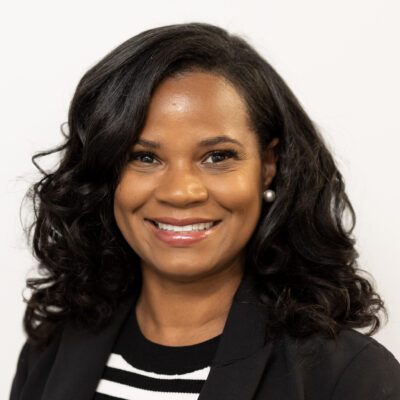
Kimberly Curtain, PMHNP
Geriatric Medication Management,
Medication Management,
Pediatric Medication Management,
Psychiatry,
Psychiatry Services,
Telehealth
Greensboro
445 Dolley Madison Road, Suite 100
Greensboro, NC, 27410
Kimberly Curtain
- ADHD
- Anxiety/Phobias/Panic attacks
- Autism
- Bipolar disorder
- Childhood behavioral issues
- Chronic pain/Health Psychology
- Couple’s issues
- Depression
- Family
- Focus and concentration
- LGBTQ+
- Men’s issues
- Obsessions or compulsions
- Postpartum or Peripartum Issues
- PTSD or Trauma
- Sleep disorders/Insomnia
- Stress management
- Substance Use
- Women’s issues

Ellis Armond, PA-C
Geriatric Medication Management,
Medication Management,
Pediatric Medication Management,
Psychiatry,
Psychiatry Services,
Telehealth
Charlotte
6135 Park South Drive, Suite 105
Charlotte, NC, 28210

Ellis Armond
- ADHD
- Anxiety/Phobias/Panic attacks
- Autism
- Bipolar Disorder
- Childhood Behavioral Issues
- Chronic Pain/Health Psychology
- Depression
- Focus and Concentration
- LGBTQ+
- Men’s issues
- Postpartum or Peripartum Issues
- Obsessions or Compulsions
- PTSD or Trauma
- Sexual Health
- Stress Management
- Substance Use
- Sleep Disorders/Insomnia
- Women’s Issues
- Eating Disorders

Samira Shehadeh, LCSW-A
Pediatric Therapy / Counseling,
Telehealth
Charlotte
6135 Park South Drive, Suite 105
Charlotte, NC, 28210

Samira Shehadeh
- ADHD
- Anger Mangement
- Anxiety
- Bipolar Disorder
- Depression
- DMDD
- Grief
- ODD/Mild Conduct Disorder
- Secondary ODD/Conduct
- Mild OCD
- PTSD/Trauma
- Postpartum Depression
- Schizophrenia
- LGBTQ+
- Secondary Substance Abuse
- Stress Management
- Secondary Mild IDD
- Men’s Mental Health
- Women’s Mental Health

Renee Goulding, PMHNP
Geriatric Medication Management,
Medication Management,
Pediatric Medication Management,
Psychiatry,
Psychiatry Services,
Telehealth
Hickory
401 4th Street SW, Suite 102
Hickory, NC, 28602

Renee Goulding
- ADHD
- Anxiety/Phobias/Panic Attacks
- Autism
- Bipolar Disorder
- Childhood Behavioral Issues
- Couple’s Issues
- Depression
- Eating Concerns
- Family
- Grief
- Focus and Concentration
- LGBTQ+
- Men’s issues
- Obsessions or Compulsions
- Postpartum or Peripartum Issues
- PTSD or Trauma
- Self-Harm and Suicidality
- Sleep Disorders/Insomnia
- Stress Management
- Women’s Issues

Rachel Fair, PA-C
Geriatric Medication Management,
Medication Management,
Pediatric Medication Management,
Psychiatry,
Psychiatry Services,
Telehealth

Rachel Fair
-
- <ul>
- ADHD
- Anxiety/Phobias/Panic attacks
- Bipolar Disorder
<
li>Depression
- <li>Focus and Concentration
- LGBTQ+
- Men’s issues
- Postpartum or Peripartum Issues
- Obsessions o
- r Compulsions
- PTSD or Trauma
- Stress Management
- Sleep Disorders/Insomnia
- Women’s Issues

Julee Mae Anderson, LCMHC-A
Pediatric Therapy / Counseling,
Telehealth
Mooresville
169 Gateway Boulevard
Mooresville, NC, 28117

Julee Mae Anderson
- Anxiety/Phobias/Panic attacks
- Autism
- Childhood behavioral issues
- LGBTQ+
- Depression
- Women’s issues
- Bipolar disorder
- Postpartum or Peripartum Issues
- Stress management
- Couple’s issues
- Family
- Play Therapy

William Harris, DO
Geriatric Medication Management,
Medication Management,
Pediatric Medication Management,
Psychiatry,
Psychiatry Services
Winston Salem
370 Knollwood Street, Suite 301
Winston Salem, NC, 27103

William Harris
- ADHD
- Anxiety/Phobias/Panic attacks
- Bipolar disorder
- Depression
- LGBTQ+
- Men’s issues
- Postpartum or Peripartum Issues
- PTSD or Trauma
- Sleep disorders/Insomnia
- Stress management
- Substance Use
- Women’s issues
- Ketamine-Assisted Therapy

Kioka Brown, LCMHC-A
Pediatric Therapy / Counseling,
Telehealth
Greensboro
445 Dolley Madison Road, Suite 100
Greensboro, NC, 27410

Kioka Brown
- Anxiety/Phobias/Panic Attacks
- Autism
- Bipolar Disorder
- Childhood Behavioral Issues
- Chronic Pain
- Couple’s Issues
- Depression
- Family
- Focus and Concentration
- Grief
- LGBTQ+
- Obsessions or Compulsions
- Play Therapy
- Postpartum or Peripartum Issues
- PTSD or Trauma
- Self-Harm & Suicidality
- Sleep Disorders
- Sexual Health
- Stress management
- Women’s Mental Health

Lauren Carlston, PA-C
Geriatric Medication Management,
Medication Management,
Pediatric Medication Management,
Psychiatry,
Psychiatry Services,
Telehealth
Charlotte
6135 Park South Drive, Suite 105
Charlotte, NC, 28210

Lauren Carlston
- ADHD
- Anxiety/Phobias/Panic Attacks
- Autism
- Bipolar Disorder
- Childhood Behavioral Issues
- Depression
- Focus and Concentration
- LGBTQ+
- Men’s Issues
- Postpartum or Peripartum Issues
- Obsessions or Compulsions
- PTSD or Trauma
- Stress Management
- Women’s Issues

Brendan Freeman, PA-C
Geriatric Medication Management,
Medication Management,
Pediatric Medication Management,
Psychiatry,
Psychiatry Services,
Telehealth
Charlotte
6135 Park South Drive, Suite 105
Charlotte, NC, 28210

Brendan Freeman
- ADHD
- Anxiety/Phobias/Panic Attacks
- Autism
- Bipolar Disorder
- Childhood Behavioral Issues
- Depression
- Focus and Concentration
- Grief
- Men’s Issues
- Movement Therapy
- PTSD or Trauma
- Self-Harm & Suicidality
- Sleep Disorders
- Substance Use Conditions
- Stress Management

Jasmine Peyton, LCSW-A
Pediatric Therapy / Counseling,
Telehealth
Raleigh
7200 Creedmoor Road, Suite 200
Raleigh, NC, 27613

Jasmine Peyton
- Anxiety/Phobias/Panic Attacks
- Childhood Behavioral Issues
- Depression
- LGBTQ+
- Play Therapy
- Postpartum or Peripartum Issues
- Sleep Disorders
- Women’s Mental Health

Emily Kirker, LCSW
Pediatric Therapy / Counseling,
Telehealth
Winston Salem
370 Knollwood Street, Suite 301
Winston Salem, NC, 27103

Emily Kirker
- ADHD
- Anxiety Disorders
- Autism
- Grief
- LGBTQ+
- Mood Disorders
- Self-Harm & Suicidality
- Sexual Health
- Women’s Mental Health

Connor Curtin, PA-C
Geriatric Medication Management,
Medication Management,
Pediatric Medication Management,
Psychiatry,
Psychiatry Services
Winston Salem
370 Knollwood Street, Suite 301
Winston Salem, NC, 27103

Connor Curtin
- ADHD
- Anxiety/Phobias/Panic attacks
- Bipolar disorder
- Chronic pain/Health Psychology
- Depression
- Focus and concentration
- Men’s issues
- LGBTQ+
- Obsessions or compulsions
- PTSD or Trauma
- Sleep disorders/Insomnia
- Stress management
- Substance Use

Elise Coffman, LCMHC-A
Pediatric Therapy / Counseling,
Telehealth
Greensboro
445 Dolley Madison Road, Suite 100
Greensboro, NC, 27410

Elise Coffman
- ADHD
- Anxiety/Phobias/Panic Attacks
- Autism
- Bipolar Disorder
- Chronic Pain
- Depression
- Focus and Concentration
- Grief
- LGBTQ+
- Men’s Mental Health
- Obsessions or Compulsions
- Postpartum or Peripartum Issues
- PTSD or Trauma
- Self-Harm & Suicidality
- Sexual Health
- Stress management
- Substance Use
- Women’s Mental Health

Christi Brunson, LCMHC
Pediatric Therapy / Counseling,
Telehealth
Charlotte
6135 Park South Drive, Suite 105
Charlotte, NC, 28210

Christi Brunson
- Anxiety Disorders
- Chronic Pain
- Grief
- Mood Disorders
- PTSD/Trauma
- Sleep Disorders
- Women’s Mental Health

Austin Kovack, LCSW-A
Pediatric Therapy / Counseling,
Telehealth
Charlotte
6135 Park South Drive, Suite 105
Charlotte, NC, 28210

Austin Kovack
- ADHD
- Anxiety Disorders
- LGBTQ+ Support
- Men’s Mental Health
- Mood Disorders
- PTSD/Trauma
- Self-Harm & Suicidality
- Substance Use Conditions

Brooke Smithson, LCMHCA
Pediatric Therapy / Counseling,
Telehealth
Durham
1000 Park Forty Plaza, Suite 125
Durham, NC, 27713

Brooke Smithson
- ADHD
- Anxiety Disorders
- Grief
- Mood Disorders
- Play Therapy
- PTSD/Trauma
- Women’s Mental Health

Archi Patel, PA-C
Geriatric Medication Management,
Medication Management,
Pediatric Medication Management
Raleigh
7200 Creedmoor Road, Suite 200
Raleigh, NC, 27613

Archi Patel
- ADHD
- Anxiety Disorders
- Autism
- Childhood Behavioral Disorders
- Eating Disorders
- Grief
- LGBTQ+ Support
- Men’s Mental Health
- Mood Disorders
- PTSD/Trauma
- Self-Harm & Suicidality
- Sleep Disorders
- Substance Use Conditions
- Women’s Mental Health

Kimberly Dawson, PMHNP
Geriatric Medication Management,
Medication Management,
Pediatric Medication Management,
Telehealth
Winston Salem
370 Knollwood Street, Suite 301
Winston Salem, NC, 27103

Kimberly Dawson
- ADHD
- Anxiety Disorders
- Grief
- Men’s Mental Health
- Mood Disorders
- PTSD/Trauma
- Sleep Disorders
- Sexual Health
- Substance Use Conditions
- Women’s Mental Health

Rayanne Abdelaziz, LCMHC-A
Pediatric Therapy / Counseling,
Telehealth
Charlotte
6135 Park South Drive, Suite 105
Charlotte, NC, 28210

Rayanne Abdelaziz
- Anxiety Disorders
- Childhood Behavioral Disorders
- Family and COuples
- LGBTQ+ Support
- Men’s Mental Health
- Mood Disorders
- PTSD/Trauma
- Self-Harm & Suicidality
- Sexual Health
- Substance Use Conditions
- Women’s Mental Health

Sarah Clay, LCSW-A
Pediatric Therapy / Counseling,
Telehealth
Hickory
401 4th Street SW, Suite 102
Hickory, NC, 28602

Sarah Clay
<ul>
- ADHD
- Anxiety Disorders
- Autism
- Childhood Behavior Disorders
- EMDR
- Family and Couples
- LGBTQ+
Support
- Mood Disorders
- Movement Therapy
- Play Therapy
- PTSD/Trauma
- Self-Harm & Suicidality
- Substance Use Conditions
- Women’s Mental Health

Taylor Burleson, LCMHC-A
Pediatric Therapy / Counseling,
Telehealth
Raleigh
7200 Creedmoor Road, Suite 200
Raleigh, NC, 27613

Taylor Burleson
- Anxiety Disorders
- Chronic Pain
- Grief
- LGBTQ+ Support
- Men’s Mental Health
- Mood Disorders
- Movement Therapy
- Sexual Health
- Women’s Mental Health

Janae Stitt, LCMHC-A
Pediatric Therapy / Counseling,
Telehealth
Greensboro
445 Dolley Madison Road, Suite 100
Greensboro, NC, 27410

Janae Stitt
- ADHD
- Anxiety Disorders
- Grief
- LGBTQ+ Support
- Men’s Mental Health
- Self-Harm & Suicidality
- Substance Use Conditions
- Women’s Mental Health

Elischa Dessalines, PMHNP
Geriatric Medication Management,
Medication Management,
Pediatric Medication Management,
Pediatric Therapy / Counseling,
Psychiatry,
Psychiatry Services,
Telehealth
Greensboro
445 Dolley Madison Road, Suite 100
Greensboro, NC, 27410

Elischa Dessalines
- ADHD
- Anxiety Disorders
- Autism
- Childhood Behavioral Disorders
- Eating Disorders
- Family and Couples
- Mood Disorders
- PTSD/Trauma
- Self-Harm & Suicidality
- Women’s Mental Health

Laraib Rasool, PA-C
Geriatric Medication Management,
Medication Management,
Pediatric Medication Management,
Pediatric Therapy / Counseling,
Psychiatry,
Psychiatry Services,
Telehealth,
TMS
Winston Salem
370 Knollwood Street, Suite 301
Winston Salem, NC, 27103

Laraib Rasool
- ADHD
- Autism Support
- Childhood Behavioral Disorders
- Chronic Pain
- Eating Disorders
- Family and Couples
- Grief
- Ketamine-Assisted Therapy
- Men’s Mental Health
- Mood Disorders
- Movement Therapy
- Play Therapy
- PTSD/Trauma
- Self-Harm & Suicidality
- Sleep Disorders
- Sexual Health
- Substance Use Conditions
- TMS
- Women’s Mental Health

Sarah Shine, LCSW-A
Pediatric Therapy / Counseling,
Telehealth
Greensboro
445 Dolley Madison Road, Suite 100
Greensboro, NC, 27410

Sarah Shine
- ADHD
- Anxiety Disorders
- Chronic Pain
- Grief
- LGBTQ+ Support
- Men’s Mental Health
- Mood Disorders
- PTSD/Trauma
- Self-Harm & Suicidality
- Sexual Health
- Substance Use Conditions
- Women’s Mental Health

Sharon Tipler, PMHNP
Geriatric Medication Management,
Medication Management,
Pediatric Medication Management
Hickory
401 4th Street SW, Suite 102
Hickory, NC, 28602

Sharon Tipler
- ADHD
- Anxiety Disorders
- EMDR
- Family and Couples
- Grief
- Mood Disorders
- PTSD/Trauma
- Self-Harm & Suicidality
- Substance Use Conditions

Alena Blue, LCMHC
Pediatric Therapy / Counseling,
Telehealth
Winston Salem
370 Knollwood Street, Suite 301
Winston Salem, NC, 27103

Alena Blue
- ADHD
- Anxiety Disorders
- Childhood Behavioral Disorders
- Eating Disorders
- LGBTQ+ Support
- Mood Disorders
- PTSD/Trauma
- Self-Harm & Suicidality
- Substance Use Conditions
- Women’s Mental Health

Yasmine Hughes, LCMHC-A
Pediatric Therapy / Counseling,
Telehealth
Durham
1000 Park Forty Plaza, Suite 125
Durham, NC, 27713

Yasmine Hughes
- ADHD
- Anxiety Disorders
- Autism
- Eating Disorders
- Family and Couples
- Grief
- LGBTQ+ Support
- Mood Disorders
- Movement Therapy
- PTSD/Trauma
- Self-Harm & Suicidality
- Sleep Disorders
- Sexual Health
- Women’s Mental Health

Kimberly Colón, LCMHC
Pediatric Therapy / Counseling,
Spanish Speaking,
Telehealth
Winston Salem
370 Knollwood Street, Suite 301
Winston Salem, NC, 27103

Kimberly Colón
- ADHD
- Anxiety Disorders
- Autism
- Childhood Behavioral Disorders
- EMDR
- Grief
- LGBTQ+ Support
- Men’s Mental Health
- PTSD/Trauma
- Self-Harm & Suicidality
- Sexual Health
- Women’s Mental Health

Ana Marques, LCMHC-A
Pediatric Therapy / Counseling,
Telehealth
Durham
1000 Park Forty Plaza, Suite 125
Durham, NC, 27713

Ana Marques
- Anxiety Disorders
- Chronic Pain
- Grief
- LGBTQ+ Support
- Men’s Mental Health
- PTSD/Trauma
- Sexual Health
- Women’s Mental Health

Caitlin Murphy, LCMHC-A
Telehealth
Mount Airy
280 North Pointe Boulevard, Suite 3
Mount Airy, NC, 27030

Caitlin Murphy
- ADHD
- Anxiety Disorders
- Autism
- LGBTQ+ Support
- Mood Disorders
- PTSD/Trauma
- Women’s Mental Health

Elizabeth Schultz, PA-C
Geriatric Medication Management,
Medication Management,
Pediatric Medication Management
Charlotte
6135 Park South Drive, Suite 105
Charlotte, NC, 28210

Elizabeth Schultz
- ADHD
- Anxiety Disorders
- Autism
- Childhood Behavioral Disorders
- Grief
- LGBTQ+ Support
- Mood Disorders
- PTSD/Trauma
- Self-Harm & Suicidality
- Sleep Disorders
- Substance Use Conditions
- Women’s Mental Health

D’Nasia Council, LCMHC-A
Pediatric Therapy / Counseling,
Telehealth
Greensboro
445 Dolley Madison Road, Suite 100
Greensboro, NC, 27410

D’Nasia Council
- ADHD
- Anxiety Disorders
- Autism
- Childhood Behavioral Disorders
- Grief
- LGBTQ+ Support
- Mood Disorders
- Play Therapy
- PTSD/Trauma
- Self-Harm & Suicidality
- Women’s Mental Health

Brianna Williams, LCMHC-A
Telehealth
Greensboro
445 Dolley Madison Road, Suite 100
Greensboro, NC, 27410

Brianna Williams
- Anxiety Disorders
- Grief
- LGBTQ+ Support
- PTSD/Trauma
- Women’s Mental Health

Ashton Gilbert, LCSW-A
Pediatric Therapy / Counseling,
Telehealth
Greensboro
445 Dolley Madison Road, Suite 100
Greensboro, NC, 27410

Ashton Gilbert
<ul>
- ADHD
- Anxiety Disorders
- Childhood Behavioral Disorders
- Grief
- Mood Disorders
- Play Therapy
- PTSD/Tr
auma
- Self-Harm & Suicidality
- Women’s Mental Health

Jeanevra McMillan, LMFT
Telehealth
Charlotte
6135 Park South Drive, Suite 105
Charlotte, NC, 28210

Jeanevra McMillan
- Anxiety Disorders
- Grief
- Men’s Mental Health
- Mood Disorders
- Women’s Mental Health

Catherine Francis, LCSW-A
Pediatric Therapy / Counseling,
Telehealth
Greenville
704 Cromwell Drive, Suite E
Greenville, NC, 27858

Catherine Francis
- ADHD
- Anxiety Disorders
- Autism
- Childhood Behavioral Disorders
- Grief

Yer Vang, LCMHC-A
Pediatric Therapy / Counseling,
Telehealth
Hickory
401 4th Street SW, Suite 102
Hickory, NC, 28602

Yer Vang
- ADHD
- Anxiety Disorders
- Grief
- PTSD/Trauma
- Self-Harm & Suicidality

Cindy Arrington, LCMHC
Telehealth
Winston Salem
370 Knollwood Street, Suite 301
Winston Salem, NC, 27103

Cindy Arrington
- ADHD
- Anxiety Disorders
- Autism
- Grief
- Mood Disorders
- PTSD/Trauma
- Substance Use Conditions

Kristy Wood, LCMHC
Telehealth
Winston Salem
370 Knollwood Street, Suite 301
Winston Salem, NC, 27103
Kristy Wood
- Grief
- LGBTQ+ Support
- PTSD/Trauma

Gabriela Dwyer, LCSW-A
Telehealth
Raleigh
7200 Creedmoor Road, Suite 200
Raleigh, NC, 27613

Gabriela Dwyer
- ADHD
- Anxiety Disorders
- Eating Disorders
- LGBTQ+
- Mood Disorders
- PTSD/Trauma
- Sexual Health
- Women’s Mental Health

Carly Fields, LCMHC-A
Pediatric Therapy / Counseling,
Telehealth
Greenville
704 Cromwell Drive, Suite E
Greenville, NC, 27858

Carly Fields
- ADHD
- Anxiety Disorders
- Autism Support
- Mood Disorders
- Sexual Health
- Substance Use Conditions

Chelsea McGhee, LCSW-A
Pediatric Therapy / Counseling,
Telehealth
Greenville
704 Cromwell Drive, Suite E
Greenville, NC, 27858

Chelsea McGhee
- ADHD
- Anxiety Disorders
- Autism Support
- Childhood Behavioral Disorders
- Eating Disorders
- Family and Couples
- Grief
- LGBTQ+
- Men’s Mental Health
- Mood Disorders
- Play Therapy
- PTSD/Trauma
- Self-Harm & Suicidality
- Sexual Health
- Substance Use Conditions
- Women’s Mental Health

Emily Spain, LCMHC-A
Pediatric Therapy / Counseling,
Telehealth
Durham
1000 Park Forty Plaza, Suite 125
Durham, NC, 27713

Emily Spain
- ADHD
- Anxiety Disorders
- Autism Support
- Chronic Pain
- Eating Disorders
- Grief
- LGBTQ+ Support
- Men’s Mental Health
- Mood Disorders
- PTSD/Trauma
- Self-Harm & Suicidality
- Sexual Health
- Substance Use Conditions
- Women’s Mental Health

Haley Yost, LCMHC-A
Telehealth
Hickory
401 4th Street SW, Suite 102
Hickory, NC, 28602

Haley Yost
- ADHD
- Anxiety Disorders
- LGBTQ+ Support
- Men’s Mental Health
- Mood Disorders
- PTSD/Trauma
- Self-Harm & Suicidality
- Substance Use Conditions
- Women’s Mental Health

Jillian Prentis, PA-C
Medication Management,
Pediatric Medication Management,
Telehealth
Greenville
704 Cromwell Drive, Suite E
Greenville, NC, 27858

Jillian Prentis
- ADHD
- Anxiety Disorders
- Autism
- Childhood Behavioral Disorders
- Eating Disorders
- Mood Disorders
- PTSD/Trauma
- Women’s Mental Health

Ruby Osorio, LCMHC-A
Pediatric Therapy / Counseling,
Telehealth
Hickory
401 4th Street SW, Suite 102
Hickory, NC, 28602

Ruby Osorio
- ADHD
- Anxiety Disorders
- Autism
- Childhood Behavioral Disorders
- Chronic Pain
- Eating Disorders
- Family and Couples
- Grief
- LGBTQ+
- Men’s Mental Health
- Mood Disorders
- Movement Therapy
- Play Therapy
- PTSD/Trauma
- Self-Harm & Suicidality
- Substance Use Conditions
- Women’s Mental Health

TyZhane Young, LCSW-A
Pediatric Therapy / Counseling,
Telehealth
Greensboro
445 Dolley Madison Road, Suite 100
Greensboro, NC, 27410

TyZhane Young
- ADHD
- Anxiety Disorders
- Autism Support
- Childhood Behavioral Disorders
- Family and Couples
- Grief
- LGBTQ+ Support
- Mood Disorders
- Play Therapy
- PTSD/Trauma
- Self-Harm & Suicidality
- Women’s Mental Health

Emily Leavitt, LCSW-A
Pediatric Therapy / Counseling,
Telehealth
Charlotte
6135 Park South Drive, Suite 105
Charlotte, NC, 28210

Emily Leavitt
- ADHD
- Anxiety Disorders
- Eating Disorders
- Grief
- Mood Disorders
- PTSD/Trauma
- Self-Harm & Suicidality
- Sexual Health
- Women’s Mental Health

Lindsey Ahearn, PA-C
Geriatric Medication Management,
Medication Management,
Pediatric Medication Management,
Telehealth
Asheville
2 Walden Ridge Drive, Suite 25
Asheville, NC, 28803

Lindsey Ahearn
- ADHD
- Anxiety Disorders
- Autism Support
- Childhood Behavioral Disorders
- Eating Disorders
- EMDR
- Family and Couples
- Grief
- Ketamine-Assisted Therapy
- LGBTQ+
- Men’s Mental Health
- Mood Disorders
- Movement Therapy
- Play Therapy
- PTSD/Trauma
- Self-Harm & Suicidality
- Sleep Disorders
- Sexual Health
- Substance Use Conditions
- TMS
- Women’s Mental Health

Daniel Vapne, PA-C
Geriatric Medication Management,
Medication Management,
Pediatric Medication Management,
Telehealth
Mount Airy
280 North Pointe Boulevard, Suite 3
Mount Airy, NC, 27030

Daniel Vapne
- ADHD
- Anxiety Disorders
- Autism
- Eating Disorders
- Grief
- Ketamine-Assisted Therapy
- LGBTQ+
- Men’s Mental Health
- Mood Disorders
- PTSD/Trauma
- Self-Harm & Suicidality
- Substance Use Conditions

Kira Sharp, LCMHC-A
Pediatric Therapy / Counseling,
Telehealth
Greenville
704 Cromwell Drive, Suite E
Greenville, NC, 27858

Kira Sharp
- ADHD
- Anxiety Disorders
- Childhood Behavioral Disorders
- Family and Couples
- Grief
- LGBTQ+ Support
- Mood Disorders
- Play Therapy
- PTSD/Trauma
- Self-Harm & Suicidality

Lindsay Parker, LCMHC-A
Telehealth
Hickory
401 4th Street SW, Suite 102
Hickory, NC, 28602

Lindsay Parker
- ADHD
- Anxiety Disorders
- Grief
- LGBTQ+ Support
- Men’s Mental Health
- Mood Disorders
- PTSD/Trauma
- Self-Harm & Suicidality
- Women’s Mental Health
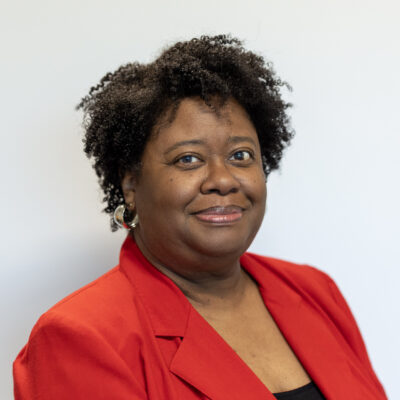
Andrea Fortier, LCSW
Telehealth
Greensboro
445 Dolley Madison Road, Suite 100
Greensboro, NC, 27410

Andrea Fortier
- ADHD
- Anxiety Disorders
- Autism Support
- Grief
- Men’s Mental Health
- Mood Disorders
- PTSD/Trauma
- Women’s Mental Health
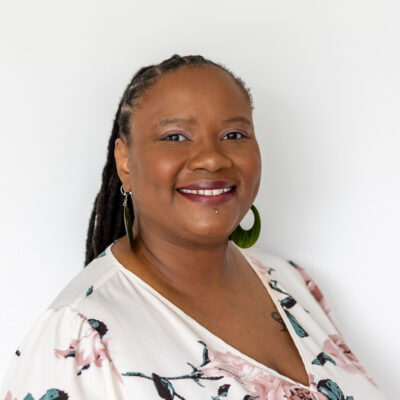
Vanessa Sampson-Schneider, LCMHC
Telehealth
Mooresville
169 Gateway Boulevard
Mooresville, NC, 28117
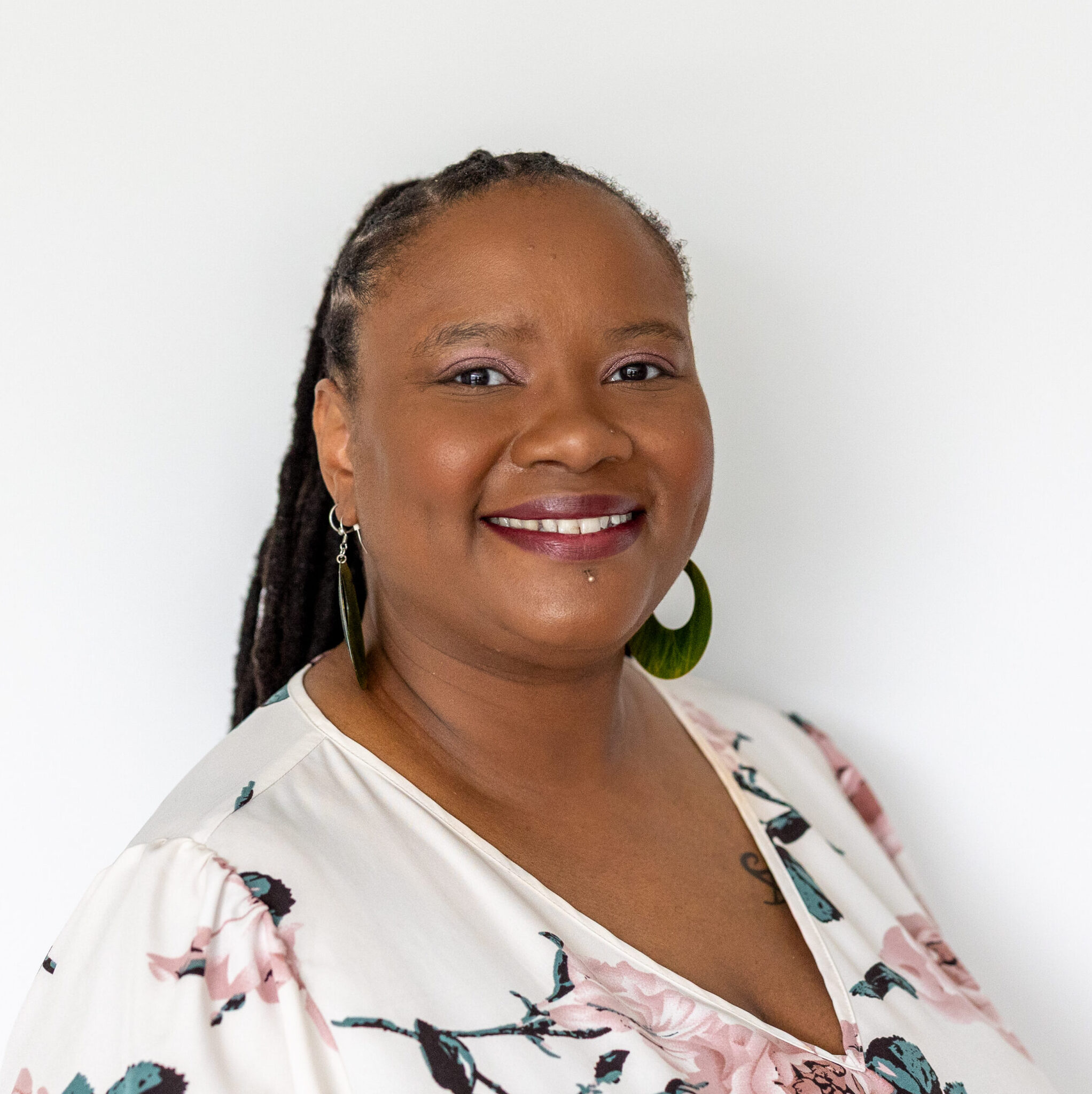
Vanessa Sampson-Schneider
- ADHD
- Anxiety Disorders
- Family and Couples
- LGBTQ+ Support
- Mood Disorders
- PTSD/Trauma
- Self-Harm & Suicidality
- Substance Use conditions
- Women’s Mental Health
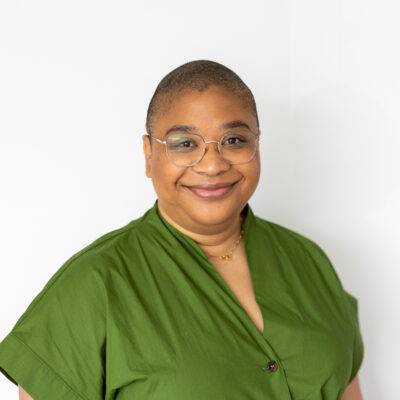
Kimberly Brummell, MD

Geriatric Medication Management,
Medication Management,
Psychiatry,
Psychiatry Services,
Spravato,
Telehealth,
TMS
Greensboro
445 Dolley Madison Road, Suite 100
Greensboro, NC, 27410
Kimberly Brummell
- Anxiety Disorders
- Grief
- LGBTQ+ Support
- Mood Disorders
- PTSD/Trauma
- Self-Harm & Suicidality
- Women’s Mental Health

Tamara Rahman, PMHNP
Geriatric Medication Management,
Medication Management,
Pediatric Medication Management,
Telehealth
Mooresville
169 Gateway Boulevard
Mooresville, NC, 28117

Tamara Rahman
- ADHD
- Anxiety Disorders
- Eating Disorders
- Grief
- LGBTQ+ Support
- Men’s Mental Health
- Mood Disorders
- PTSD/Trauma
- Self-Harm & Suicidality
- Sleep Disorders
- Sexual Health
- Substance Use Conditions
- Women’s Mental Health

Jessica Alger-Shook, LCMHC
Pediatric Therapy / Counseling,
Telehealth
Greensboro
445 Dolley Madison Road, Suite 100
Greensboro, NC, 27410

Jessica Alger-Shook
- ADHD
- Anxiety Disorders
- Childhood Behavioral Disorders
- Grief
- LGBTQ+ Support
- PTSD/Trauma
- Self-Harm & Suicidality

Kelli Jordan, LCSWA, LCASA
Pediatric Therapy / Counseling,
Telehealth
Mount Airy
280 North Pointe Boulevard, Suite 3
Mount Airy, NC, 27030

Kelli Jordan
- ADHD
- Anxiety Disorders
- Childhood Behavioral Disorders
- EMDR
- LGBTQ+ Support
- Mood Disorders
- Play Therapy
- PTSD/Trauma
- Substance Use Conditions

Cydney Pearson, PMHNP
Geriatric Medication Management,
Medication Management,
Pediatric Medication Management,
Telehealth
Winston Salem
370 Knollwood Street, Suite 301
Winston Salem, NC, 27103

Cydney Pearson
- ADHD
- Anxiety Disorders
- Autism Support
- Childhood Behavioral Disorders
- Eating Disorders
- Family and Couples
- Grief
- Ketamine-Assisted Therapy
- LGBTQ+ Support
- Men’s Mental Health
- Mood Disorders
- Movement Therapy
- Play Therapy
- PTSD/Trauma
- Self-Harm & Suicidality
- Sleep Disorders
- Sexual Health
- Substance Use Conditions
- Women’s Mental Health

Sherelle Holley, PMHNP
Geriatric Medication Management,
Medication Management,
Pediatric Medication Management,
Telehealth
Greenville
704 Cromwell Drive, Suite E
Greenville, NC, 27858
Sherelle Holley
- ADHD
- Anxiety Disorders
- Autism Support
- Childhood Behavioral Disorders
- Men’s Mental Health
- Mood Disorders
- PTSD/Trauma
- Self-Harm & Suicidality
- Women’s Mental Health

Alex Messer, LCMHC-A
Pediatric Therapy / Counseling,
Telehealth
Mooresville
169 Gateway Boulevard
Mooresville, NC, 28117

Alex Messer
- ADHD
- Anxiety Disorders
- Eating Disorders
- LGBTQ+ Support
- Men’s Mental Health
- Mood Disorders
- PTSD/Trauma
- Sexual Health
- Substance Use Conditions

Layla Mueller, PA-C
Geriatric Medication Management,
Medication Management,
Pediatric Medication Management,
Telehealth
Asheville
2 Walden Ridge Drive, Suite 25
Asheville, NC, 28803

Layla Mueller
- ADHD
- Anxiety Disorders
- Autism Support
- Childhood Behavioral Disorders
- Eating Disorders
- Grief
- Ketamine-Assisted Therapy
- Mood Disorders
- Self-Harm & Suicidality
- Sleep Disorders
- Substance Use Conditions
- Women’s Mental Health

Alanie O’Dell, LCSW-A
Telehealth
Raleigh
7200 Creedmoor Road, Suite 200
Raleigh, NC, 27613

Alanie O’Dell
- Eating Disorders
- EMDR
- Family and Couples
- LGBTQ+
- PTSD/Trauma
- Sexual Health
- Women’s Mental Health

Jordan Taylor, LCSW-A
Telehealth
Charlotte
6135 Park South Drive, Suite 105
Charlotte, NC, 28210

Jordan Taylor
- ADHD
- Anxiety Disorders
- Childhood Behavioral Disorder
- Family and Couples
- Men’s Mental Health
- PTSD/Trauma

Rudi Mack, PMHNP
Geriatric Medication Management,
Medication Management,
Pediatric Medication Management,
Telehealth
Greensboro
445 Dolley Madison Road, Suite 100
Greensboro, NC, 27410

Rudi Mack
- Anxiety Disorders
- Grief
- Mood Disorders
- PTSD/Trauma

Alison Roy, LCMHC-A
Pediatric Therapy / Counseling,
Telehealth
Asheville
2 Walden Ridge Drive, Suite 25
Asheville, NC, 28803

Alison Roy
- ADHD
- Anxiety Disorders
- Eating Disorders
- Family and Couples
- Grief
- LGBTQ+
- Mood Disorders
- PTSD/Trauma
- Self-Harm & Suicidality
- Substance Use Conditions
- Women’s Mental Health

Nicole Gurgiolo, LCSW-A
Pediatric Therapy / Counseling,
Telehealth
Asheville
2 Walden Ridge Drive, Suite 25
Asheville, NC, 28803

Nicole Gurgiolo
- ADHD
- Anxiety Disorders
- Childhood Behavioral Disorders
- Chronic Pain
- Eating Disorders
- EMDR
- Family and Couples
- Grief
- LGBTQ+ Support
- Mood Disorders
- Movement Therapy
- Play Therapy
- PTSD/Trauma
- Self-Harm & Suicidality
- Sexual Health
- Substance Use Conditions
- Women’s Mental Health
Kristin Campbell, LCSW
Telehealth
Kristin Campbell
- Anxiety Disorders
- Autism Support
- Chronic Pain
- Eating Disorders
- Grief
- LGBTQ+ Support
- Mood Disorders
- Self-Harm & Suicidality
- Sexual Health
- Substance Use Conditions
- Women’s Mental Health

Emmett Rock, LCSW-A
Telehealth
Mooresville
169 Gateway Boulevard
Mooresville, NC, 28117

Emmett Rock
- Anxiety Disorders
- Autism Support
- Eating Disorders
- Grief
- Men’s Mental Health
- PTSD/Trauma
- Substance Use Conditions
- Women’s Mental Health

Simran Vuppala, LCMHC-A
Pediatric Therapy / Counseling,
Telehealth
Fayetteville
639 Executive Place, Suite 202
Fayetteville, NC, 28305

Simran Vuppala
- ADHD
- Anxiety Disorders
- Autism Support
- Grief
- LGBTQ+ Support
- Play Therapy
- PTSD/Trauma
- Women’s Mental Health

Laniya Ellison, LCMHC-A
Telehealth
Raleigh
7200 Creedmoor Road, Suite 200
Raleigh, NC, 27613

Laniya Ellison
- ADHD
- Anxiety Disorders
- Chronic Pain
- Family and Couples
- Grief
- Men’s Mental Health
- Mood Disorders
- PTSD/Trauma
- Self-Harm & Suicidality
- Sleep Disorders
- Women’s Mental Health

Anye Stewart, LCMHC-A
Telehealth
Charlotte
6135 Park South Drive, Suite 105
Charlotte, NC, 28210

Anye Stewart
- Anxiety Disorders
- Grief
- Mood Disorders
- PTSD/Trauma

Marlyn Bernardo, PMHNP
Geriatric Medication Management,
Medication Management,
Pediatric Medication Management,
Telehealth
Greensboro
445 Dolley Madison Road, Suite 100
Greensboro, NC, 27410

Marlyn Bernardo
- ADHD
- Anxiety Disorders
- Autism Support
- Childhood Behavioral Disorders
- Chronic Pain
- Eating Disorders
- Grief
- Men’s Mental Health
- Mood Disorders
- PTSD/Trauma
- Self-Harm & Suicidality
- Sleep Disorders
- Substance Use Conditions
- Women’s Mental Health

Colleen McMillen, PMHNP
Geriatric Medication Management,
Medication Management,
Pediatric Medication Management,
Telehealth
Charlotte
6135 Park South Drive, Suite 105
Charlotte, NC, 28210

Colleen McMillen
- ADHD
- Anxiety Disorders
- Autism Support
- Childhood Behavioral Disorders
- Grief
- LGBTQ+ Support
- Men’s Mental Health
- Mood Disorders
- PTSD/Trauma
- Self-Harm & Suicidality
- Sleep Disorders
- Sexual Health
- Substance Use Conditions
- Women’s Mental Health

Kaitlyn Jeffers, PA-C
Geriatric Medication Management,
Medication Management,
Pediatric Medication Management,
Telehealth
Durham
1000 Park Forty Plaza, Suite 125
Durham, NC, 27713

Kaitlyn Jeffers
- ADHD
- Anxiety Disorders
- Chronic Pain
- Eating Disorders
- Grief
- Ketamine-Assisted Therapy
- LGBTQ+ Support
- Mood Disorders
- PTSD/Trauma
- Self-Harm & Suicidality
- Sleep Disorders
- Sexual Health
- Substance Use Conditions
- Transcranial Magnetic Stimulation
- Women’s Mental Health

Aidan Liu, PMHNP
Geriatric Medication Management,
Medication Management,
Pediatric Medication Management,
Telehealth
Raleigh
7200 Creedmoor Road, Suite 200
Raleigh, NC, 27613

Aidan Liu
- ADHD
- Anxiety Disorders
- Ketamine-Assisted Therapy
- LGBTQ+ Support
- PTSD/Trauma
Insurances Accepted
















Call us at (855) 409-9002 to see if you are covered.
Insurance plans may vary by state and are subject to change.
What Our Patients Say
My experience with Apogee Behavioral Medicine has been amazing! The providers and office staff are so friendly and helpful and demonstrate a true sense of care. I appreciate that every time I call there is always a kind person on the other end of the phone. From scheduling, to my actual appointment with Dr. Ayers, they have made the entire process as straightforward and easy as possible. I prefer to be seen in-person, but travel for work so it’s comforting to know I have the option to book a virtual appointment, if needed. I’m so grateful for the compassion they have shown me and look forward to their guidance as I learn to manage my anxiety. I feel like I’ve finally found the support system I’ve been searching for.

Google Review from
an ABM Patient
I reached out to several psychiatry groups, some of which never even returned my call. Not only was I able to speak with an actual person, but she scheduled me for an appointment right away. Their office has a very calming feel and I was greeted with a smile and felt safe and welcomed at my appointment. I highly recommend Apogee Behavioral Medicine. They’re truly a wonderful group and their sincerity for patients dealing with mental health is at the forefront of this practice.
Google Review from
an ABM Patient
It was very easy to talk to the professionals there. They listened to everything I said and were very encouraging and supportive. I highly recommend Apogee Behavioral Medicine to anyone.
Google Review from
an ABM Patient
After years of being through the gambit with mental health, I finally found somewhere that has been able to assist me. I have been helped in a profound way by Ellis Armond and her staff. She listens, makes herself available, and has provided me with months of knowledge, reassurance, and care. I’m feeling better and couldn’t be happier with my experience.
Google Review from
an ABM Patient
Google Review from
an ABM Patient
FAQs for Counseling & Therapy
In the psychiatric and medical community, there is not a consensus on what causes anxiety. However, there are some common denominators in those who suffer including; genetic, biological, environmental, and psychological commonalities. Genetics plays a role in that some with specific genetic markers are predisposed to developing anxiety. Brain chemistry, or a biological factor, can also contribute to where there are imbalances in neurotransmitters such as serotonin and dopamine. Lastly, environmental and psychological factors can underlie anxiety disorders including stressful life events where the body retains memory of abuse, trauma, and transitions, in the form of anxiety.
Therapists can treat anxiety with behavioral therapy including cognitive behavioral therapy which addresses underlying persistent thoughts that make anxiety so crippling. They are also able to teach techniques to help mitigate symptoms of anxiety such as breathing and visualization. Therapists are not able to prescribe medicine, but Apogee Behavioral Medicine has a complete team of psychiatrists and psychotherapists standing by and they can assess your case and provide a full treatment plan.
“Doctors” for anxiety at Apogee Behavioral Medicine are psychiatrists. They are licensed, trained, and experienced in medical interventions for anxiety. Psychiatrists are experts at administering medications that help alleviate symptoms of anxiety by temporarily inhibiting serotonin and stabilizing the nervous system. These interventions can be taken daily or in the instance of extreme duress.
We all face anxiety in our lives and many are able to cope without interventions. Where an anxiety disorder is disrupting our lives or the lives of those we love to the point that they are unable to fulfill duties or responsibilities, medical interventions may be necessary. Only a licensed psychiatrist or doctor can prescribe medicine. Medical interventions are determined upon a diagnosis after a Creyos Health assessment. Contact Apogee Behavioral Medicine if you require an assessment.
According to the Social Security Administration bluebook, Anxiety is considered a disability. If you believe that your anxiety or the anxiety of a loved one makes them unable to perform life’s daily functions, contact Apogee Behavioral Medicine for an assessment.
Cognitive Assessments are tests that help clinicians measure and monitor cognitive health. Some of the conditions a Cognitive Assessment can measure include neurodegenerative disease, brain injury, and cognitive decline due to aging. In the case of anxiety, clinicians may measure neurological function. The test takes about twenty minutes, can be taken remotely on a laptop or tablet, and may be customized to measure certain areas of the brain more effectively. Contact Apogee Behavioral Medicine for a consultation to discuss a Cognitive Assessment.
Apogee Behavioral Medicine offers eight locations in North Carolina (and more on the way). We serve the Durham, Winston-Salem, Raleigh, Greensboro, Hickory, Mount Airy, Charlotte, and Asheville metro areas. View our professionals here to find a provider.
Cognitive behavioral therapy and exposure therapy are two of the most effective treatments.